

On Monday, the Qatari prime minister met with President Donald Trump at the White House for 45 minutes. He then flew to Paris to tell the G7 foreign ministers that he had secured 2 weeks of diplomacy to reach a peace deal before a possible American attack on Iran.
The market heard 2 weeks of peace and a likely peace deal, and Brent closed yesterday at $92, its lowest close since the end of August. What must be realized is that very little of this is due to a significant change in oil flows, and all of it has to do with the interpretation of the war premium.
Flows have been in dynamic equilibrium for a while, as Iran continues to harass the Strait of Hormuz and the Houthis continue to harass Saudi Arabian infrastructure. The Ukrainians continue to bomb Russian refineries.
Here is a very easy way to understand the price of Brent crude oil: five zones representing different levels of market expectations.
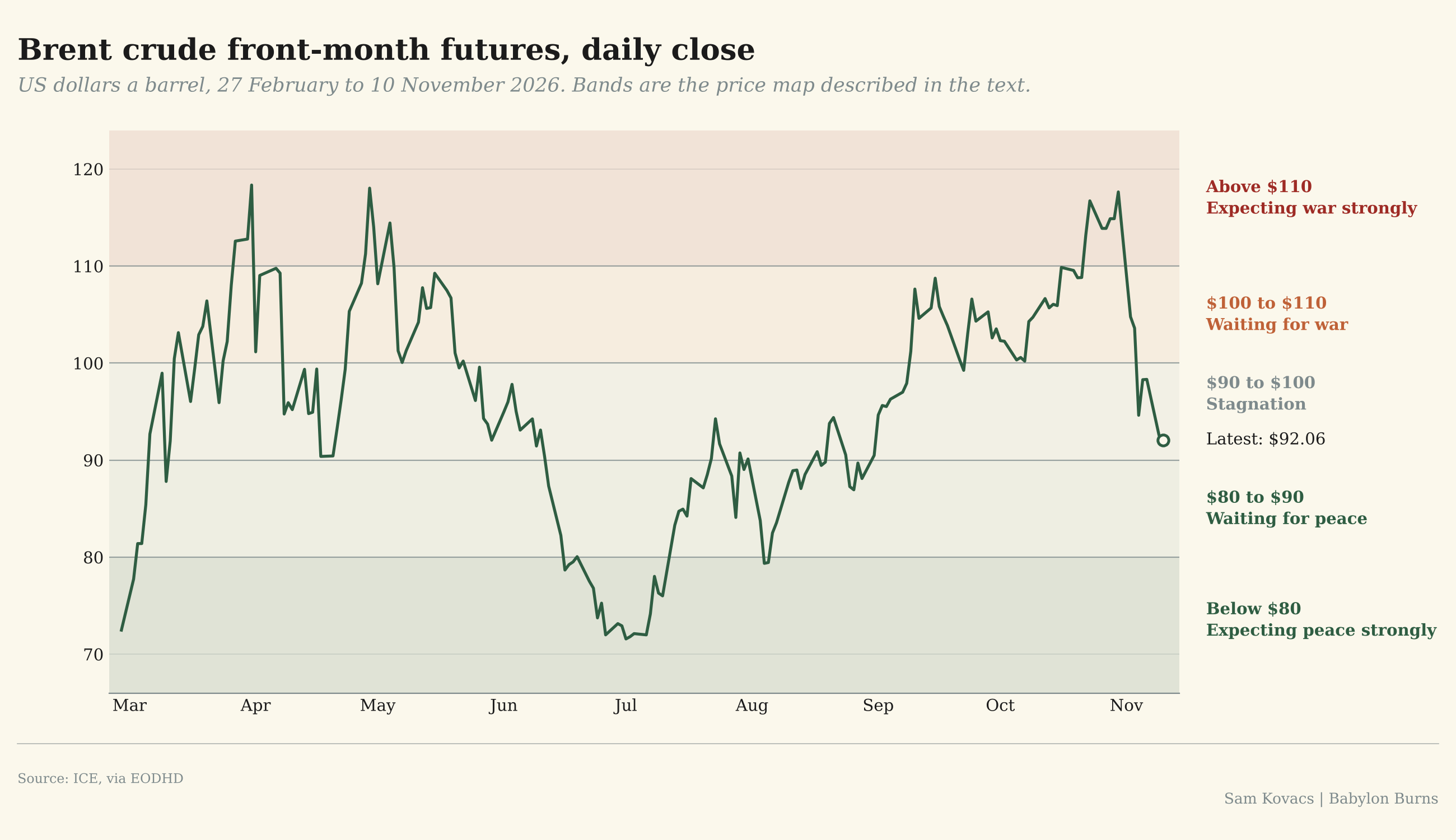
In late March, late April, and late October, when strikes were either at their highest or expected to be, Brent went above $110. Below $90, there’s an expectation that we are going to get peace or that we’re waiting on peace to happen. Of course, below $80, there’s a strong expectation of peace. It’s the reverse of the war scenario.
Right now, the price is near the bottom of the stagnation zone of $90 to $100. We’ve seen a spectacular speculative unwind as those who were speculating on war moved out of their longs.
Today, I want to give you a bit of my framework on the game theory of Donald Trump versus the IRGC and who blinks first. I also want to highlight a few elements which I believe will continue to shape expectations in the interim.
I will also explain how I have shifted my energy positions in the portfolio.
1. The president wants out.
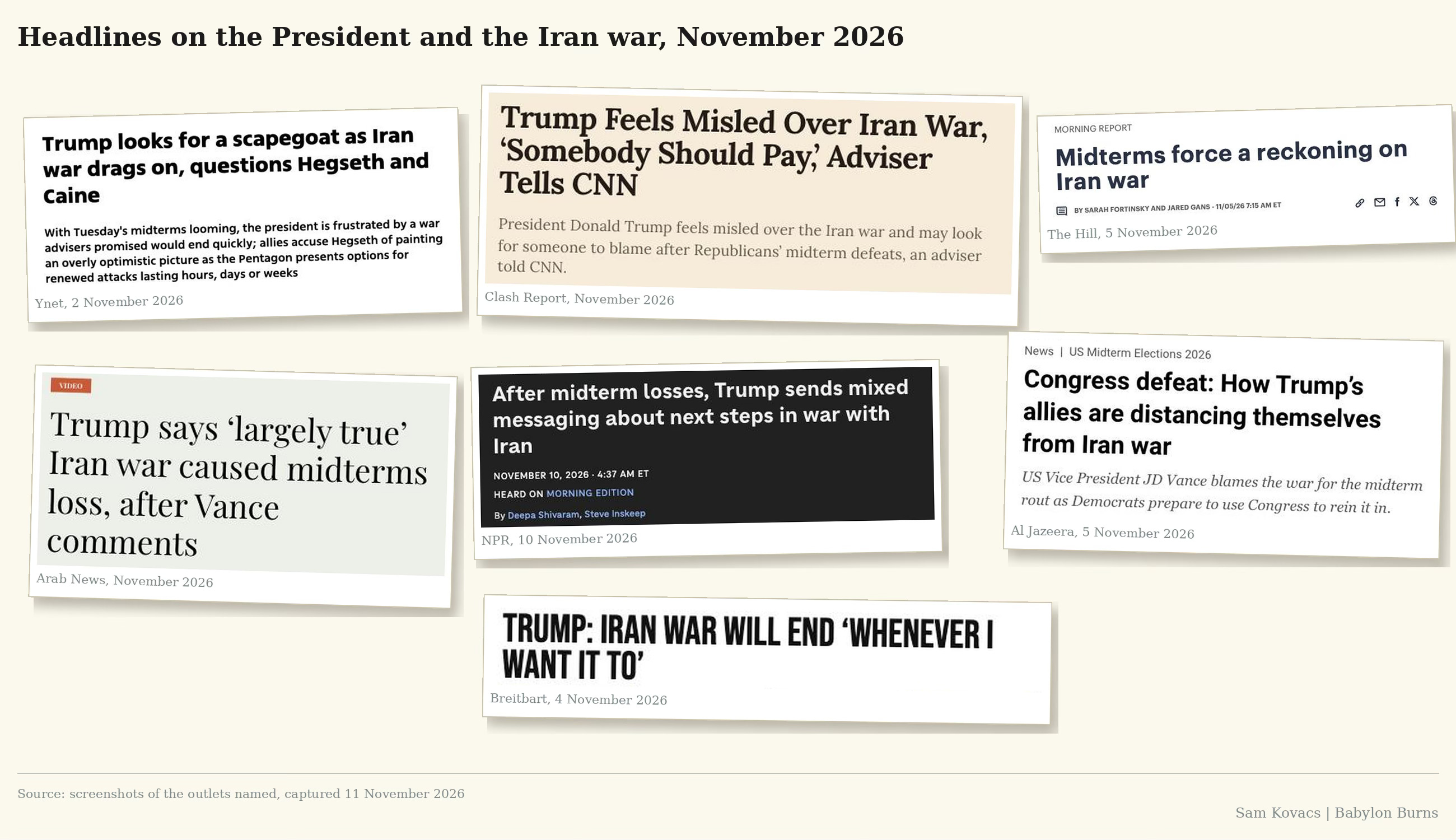
I think it’s quite clear that Donald Trump would much rather this war be over. Recently, his advisers told CNN that he feels he was misled about the war, that he was promised it would be finished long before the midterms, and that he is now asking who should carry the blame.
He and his vice president, Vance, have said publicly that the war cost their party the election.
But he cannot leave on the terms currently offered by Iran. After the Democrats swept the midterms, Tehran republished the same seven-point plan they’ve been insisting on since June, which Marco Rubio called outrageous and ridiculous. The seven-point plan effectively asks the U.S. to lift the blockade, release Iran’s money, and pay reparations before talks about the nuclear issue even restart. Iran is willing to negotiate on the reopening of the Strait of Hormuz, but not on the nuclear issue yet.
Signing such a deal would be admitting defeat in his name, and this is a president who doesn’t book losses.
2. The Dems can’t squeeze him out.
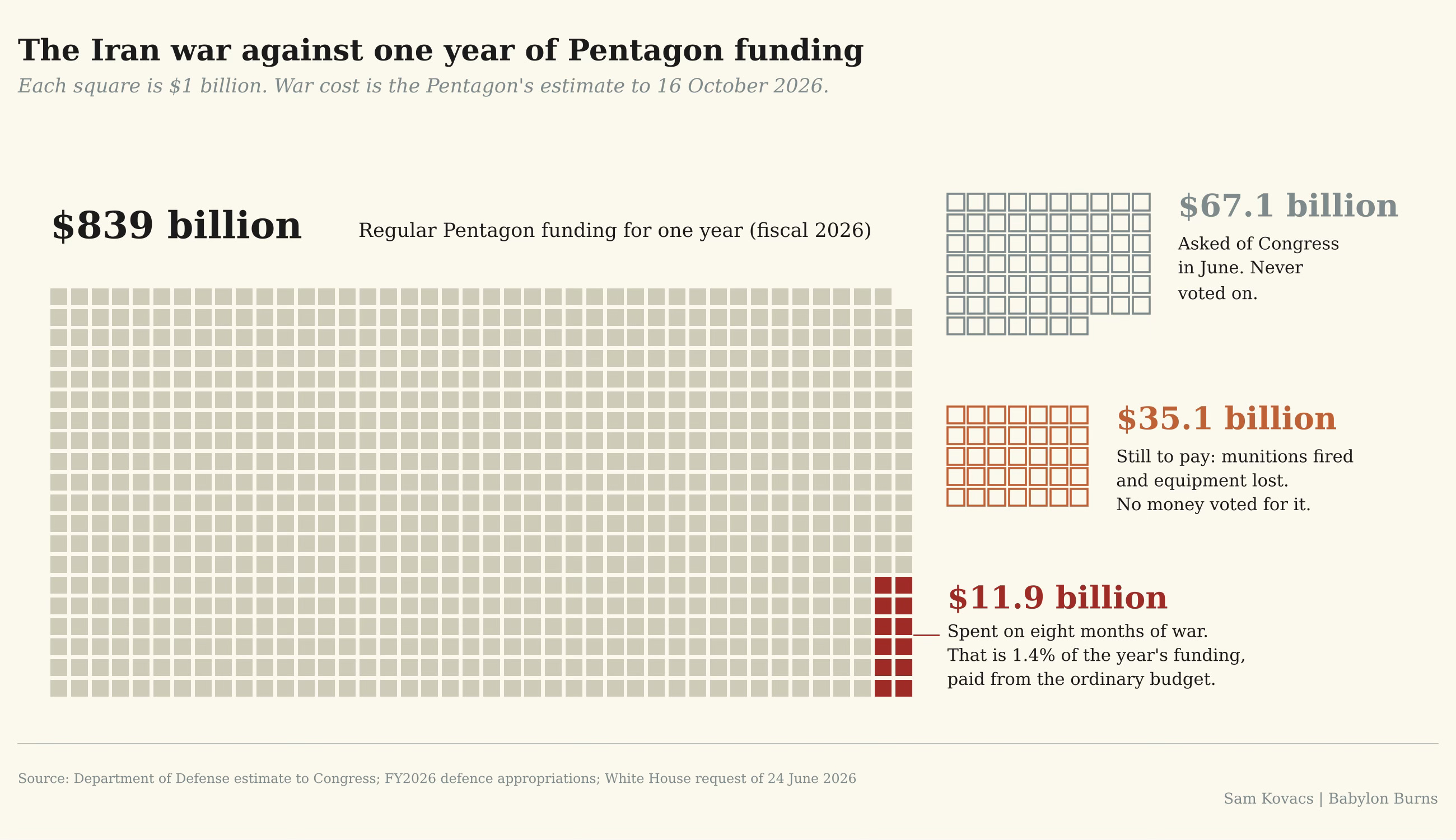
Where Iran and the market are wrong, however, is that he can’t be forced out of this war either. Congress has never voted a single dollar for this war. The Pentagon has paid for it out of its ordinary budget, and the running cost so far is quite small: about $12 billion spent in 8 months, with another $35 billion of munitions and equipment that need to be replaced someday: an IOU to future defense budgets.
The Senate passed a resolution to end the war on June 5, 50 to 48, and the House passed one in July, 214 to 208. Neither of these bound Donald Trump and his administration. From January 3, the Democrats will hold 54 Senate seats, and they’ve promised to try again. I’m quite confident they’ll pass it. He will veto it, and it takes 67 senators to override a veto. The Republicans need 34 votes to prevent it, and they’ll likely have more than 40.
The only other path is a government shutdown, as funding for the government expires on December 11, and there are some Democrats who want to refuse any bill that pays for the war. They could do this, but a government shutdown doesn’t stop military operations. If there’s a stopgap at last year’s level, that keeps the ordinary budget flowing, which is what has paid for this war all along.
So Congress can’t end the blockade. It can refuse to pay for the rearmament of the $29 billion of missiles and bombs already fired, although this would be very questionable if the U.S. were not going to replenish its munitions.
None of what they can do actually matters for the line he’s holding with the blockade and the convoys, and it doesn’t impact his ability to go for a short-strike air campaign. The president isn’t being squeezed, and he can sit exactly where he is for the rest of his term.
3. The IRGC won’t let him off easy.
Tehran has looked at all the same reports that you and I can read and has come to a conclusion that seems obvious to them. A man who needs and wants an exit will pay for one, and every sign that he wants out reinforces their view that they have leverage in these negotiations.
After the midterm elections, their foreign minister posted that “American voters have made their choice.” Mojtaba Khamenei’s account on X said that America’s collapse was speeding up.
Then they reiterated their seven-point plan that Marco Rubio called outrageous and ridiculous.
Iran has transformed this into what they’re calling their two-day plan. On day one, the U.S. ends the war on every front, lifts the blockade, releases frozen money, eases sanctions, and pays reparations. The next day, the Strait of Hormuz reopens. They have also promised war if the U.S. refuses.
For now, Iran has failed to take the initiative and re-escalate the war. The reason is simple: as long as you have the threat of a catastrophic hit on Gulf infrastructure or worse, you can use this as leverage in your negotiations. Once it is spent, you no longer can, and you have to take a beating of your own before resuming.
I think this is a miscalculation because, despite all the hits on tankers in the Strait of Hormuz, oil is still getting out one way or another. It gives Trump comfort that he is winning the war and shouldn’t give Iran what they are asking for.
4. Iran’s economy can last longer than forecasts say.
The other hope on the Western front is that Scott Bessent’s promise, made months ago, that Iran’s economy would crumble under economic pressure within two weeks, will come to fruition any day now, or week, or month?
Of course, the economy is in its worst shape in decades. Inflation is anywhere between 70% and 140%, and the economy will likely shrink by at least 5% this year. Yet somehow, it’s still standing.
Despite sanctions, trade continues to move by road, and billions of dollars of military supplies have come into Iran from friendly parties. More importantly, it is highly likely that the ships it has granted waivers through the Strait of Hormuz have paid the regime for the privilege.
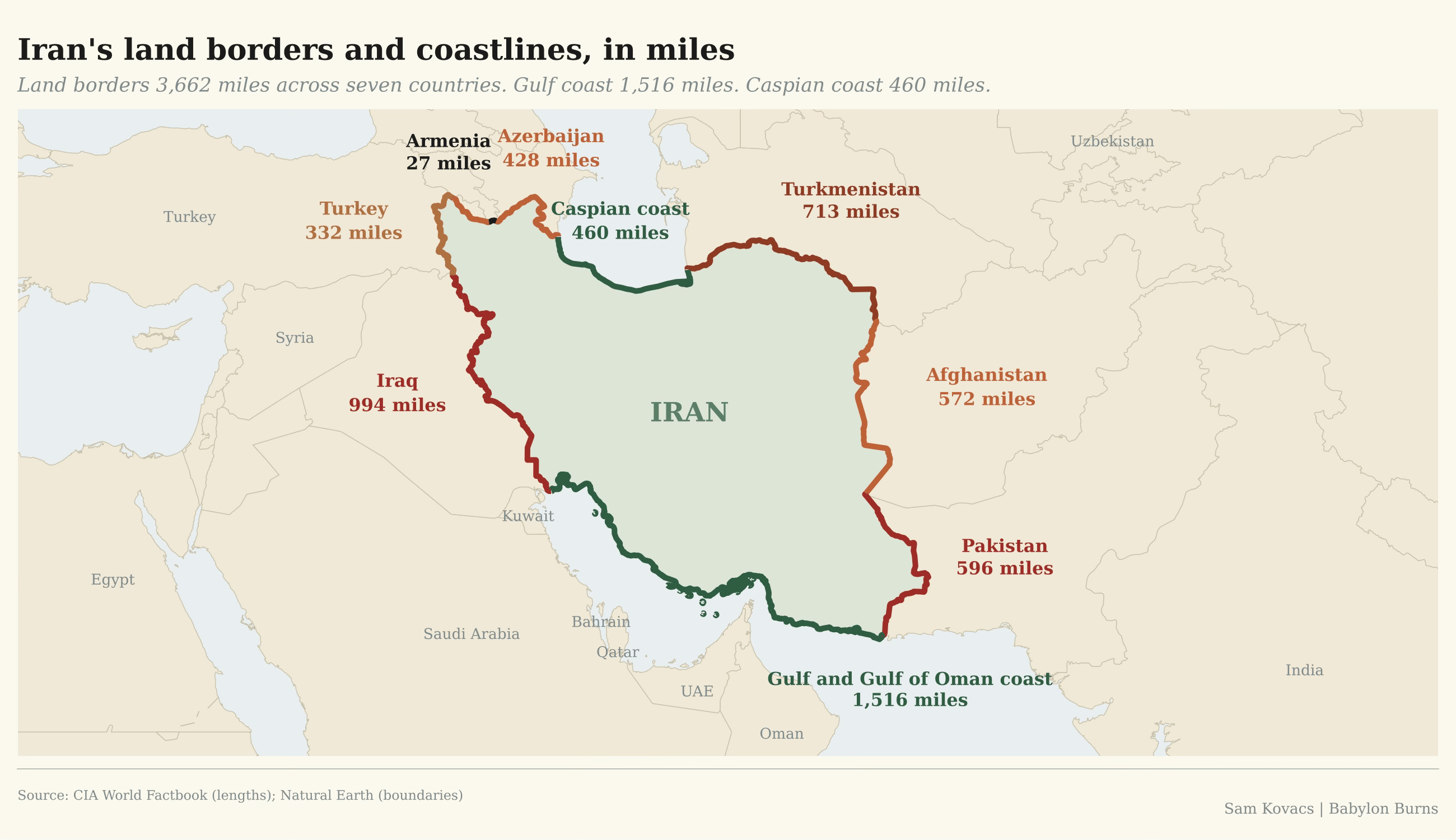
If the economic isolation project was working so well, you have to ask yourself why, on November 7, Washington created a new task force to ensure Iran’s land borders are shut.
At best, sanctions redirect flows. They obfuscate them, and they make them costly by adding new middlemen and new creative solutions to bypass them. Seldom do they work in actually stopping economic activity.
What you need to understand is that the Iranian economy doesn’t need to endure. Only the IRGC does. As long as their operations keep funding them, they can continue their campaign for way, way longer than anyone believes.
5. But the Iranians keep getting this wrong.
Iran keeps thinking, as they have since the beginning of the war, that they can force Washington into a quick settlement. It’s what they believed when they shut the Strait of Hormuz earlier this year.
Then they thought the midterms would break the president’s hand. Now they believe that Congress will finish the job in December or January. For all the reasons I’ve mentioned above, this is not going to happen.
How long will it take for them to realize that, if they want to get their way, they will have to force his hand and escalate?
6. The US Admin has another agenda
How long will it also take them to realize that the US is jawboning and managing markets to enable the big IPOs on this year’s calendar?
Let’s not forget that on the day SpaceX IPOed, the price of oil crashed 5% as hopes of a memorandum emerged. SpaceX started trading on the 12th of June, the largest offering in history. Five days later, the memorandum was signed, and by July 14, the blockade was back on.
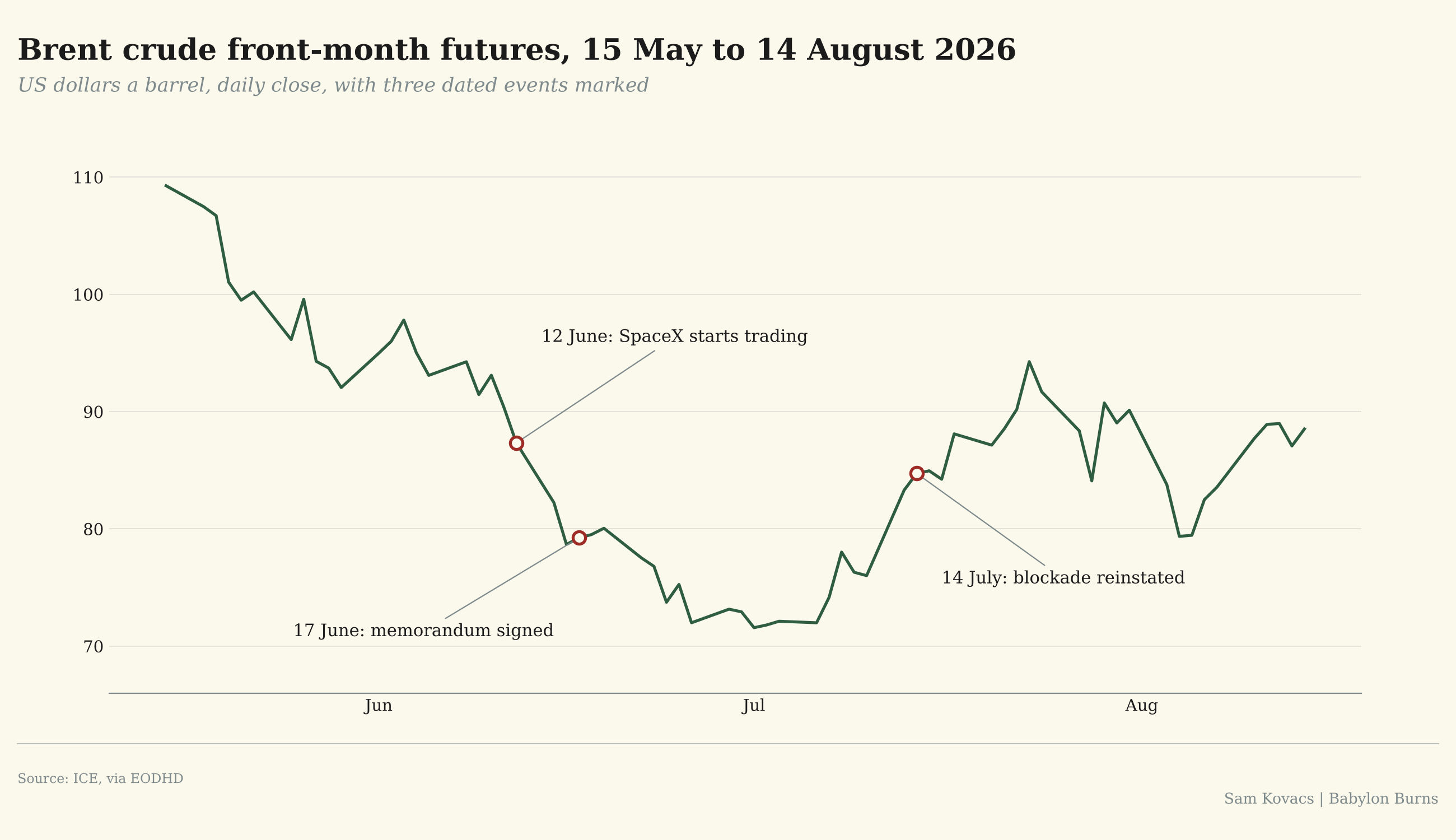
Now we have Anthropic’s IPO coming next week, planned for the 19th of November. Is it possible that this administration is playing a false game of diplomacy to ensure optimal conditions to push this large IPO through? The same administration which said the U.S. must absolutely win the AI race and which heavily supports both Anthropic and OpenAI…
7. Who blinks first?
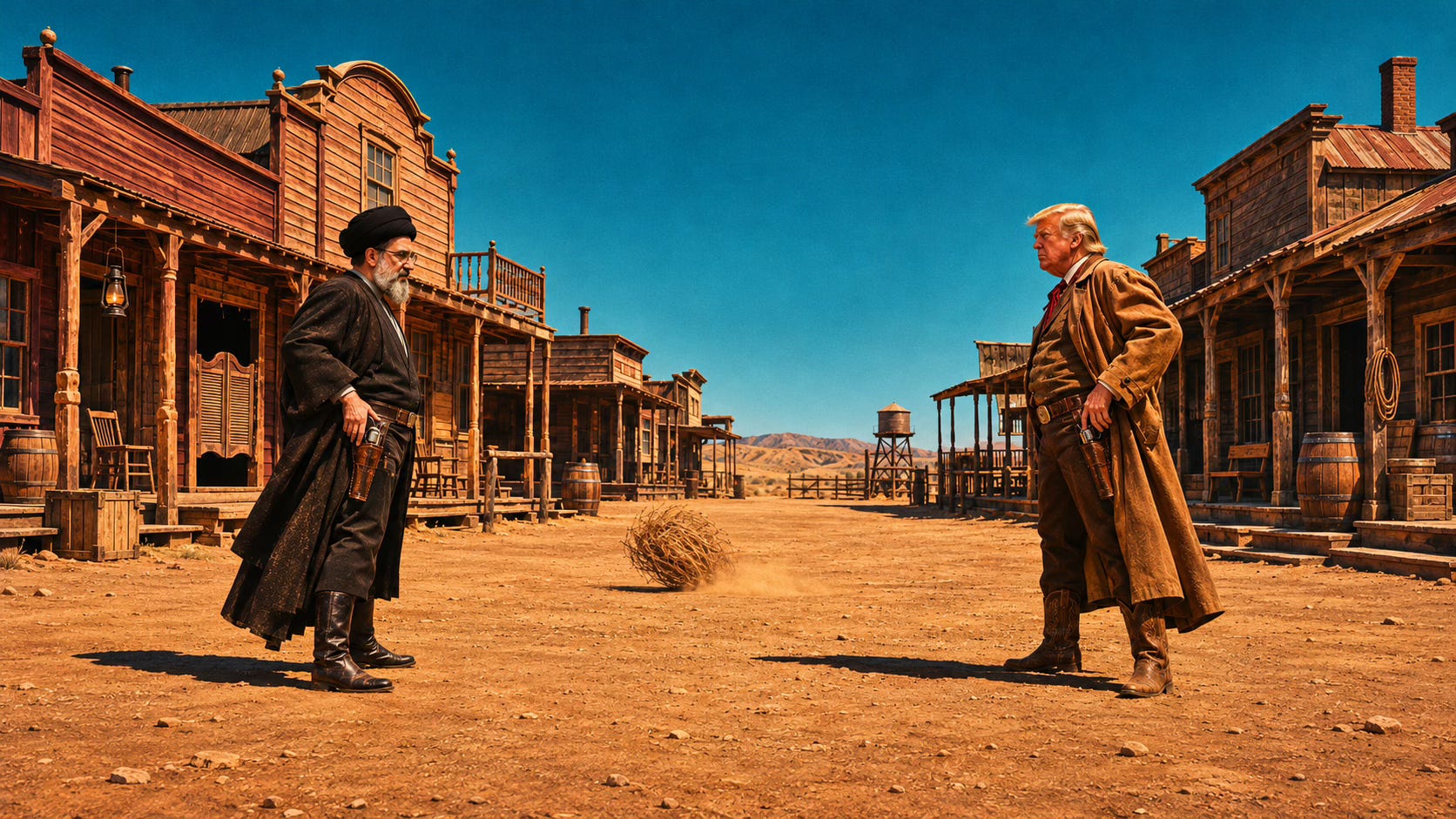
Both the US and Iran misread each other’s calendar. At some point, it will become evident to them that the information they are acting on is wrong and that they must course-correct. Course correction will most likely only happen through escalation, as neither party can currently accept the other’s conditions without looking like a loser, and neither party believes that it actually is a loser.
Until that happens, we will most likely remain in a messy status quo, oscillating between expectations of peace and expectations of war. A big mistake we made in October was not booking gains when expectations of war were high. That happened because I was myself fooled into believing there would be war. At the same time, the game theory analysis suggests a prisoner’s dilemma where, at some point, a return of hostilities seems the most likely outcome. How do you position and invest without blowing up, with this in mind?
That’s what the rest of this report will look at.
